Surabaya is Indonesia's second-largest city and one of Southeast Asia's most underrated destinations. From the country's largest zoo and colonial heritage streets to volcanic landscapes and vibrant night markets — here are the 15 best things to do in Surabaya in 2025.
Visit Surabaya Zoo (Kebun Binatang Surabaya)

No visit to Surabaya is complete without a trip to Kebun Binatang Surabaya (KBS) — one of Southeast Asia's oldest and largest zoos, established in 1916. Home to over 350 species including Sumatran tigers, Komodo dragons, Bornean orangutans, and Asian elephants, it is the city's most popular attraction for families and wildlife lovers.
The zoo covers 15 hectares in the Darmo district and also features an aquarium, bird aviary, reptile house, and the interactive Giz Park glowing experience. Allow at least half a day — a full day if you're visiting with children.
Tugu Pahlawan — Heroes Monument
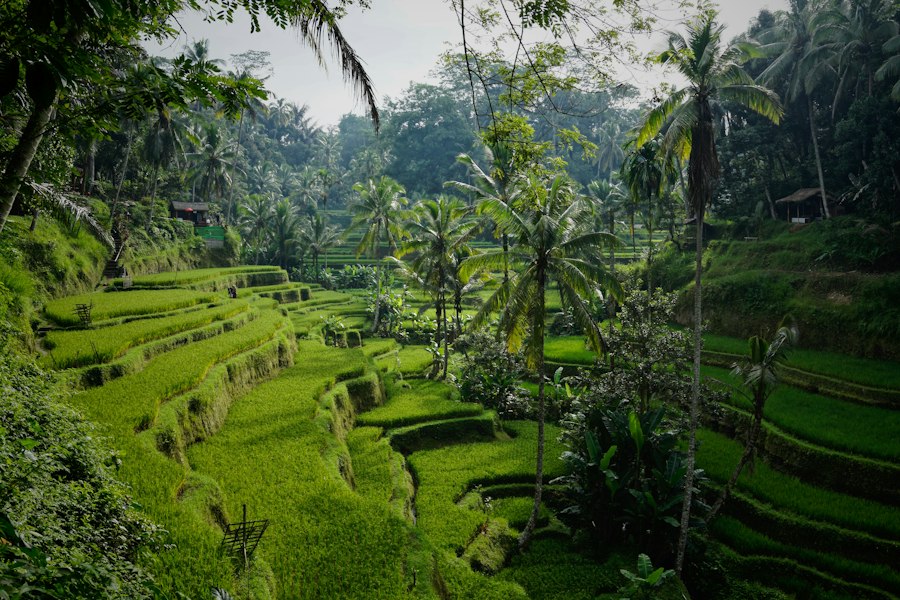
The Tugu Pahlawan (Heroes Monument) is Surabaya's most iconic landmark — a 41-metre obelisk commemorating the Battle of Surabaya on 10 November 1945, when Indonesian fighters repelled British forces. The monument sits in a park in the city centre and is a must-visit for anyone interested in Indonesian history.
Below the monument is an excellent underground museum with dioramas, weapons, and historical photographs documenting the independence struggle. Entry to the museum costs a small fee and is well worth it.
Ampel Mosque & Arab Quarter
The Masjid Ampel is Surabaya's oldest mosque and one of the holiest Islamic sites in Java, built in the 15th century by Sunan Ampel — one of the nine Wali Songo (Islamic saints). The surrounding Arab Quarter (Kampung Arab) is a fascinating labyrinth of narrow alleys filled with perfume shops, traditional Arabic food stalls, batik traders, and religious artefact sellers.
Visit in the early morning or late afternoon for the best atmosphere. The area comes alive during Ramadan with night markets and special foods. Dress modestly when visiting — a sarong is available to borrow at the entrance.
House of Sampoerna Museum
The House of Sampoerna is one of Surabaya's finest museums, housed in a beautifully restored Dutch colonial building that was once the home of the Sampoerna family — founders of Indonesia's most famous clove cigarette brand. The free museum traces the history of the Sampoerna company and the art of hand-rolling kretek (clove cigarettes), with a fascinating live demonstration floor where workers roll cigarettes by hand.
The complex also includes an excellent café, a souvenir shop, and the starting point for the iconic Surabaya Heritage Track — a free bus tour of the city's colonial buildings. A must-visit even if you have no interest in tobacco — the building and story are extraordinary.
KRI Pasopati — Submarine Monument
The KRI Pasopati 410 is a decommissioned Soviet-era submarine that has been turned into a unique museum in the heart of Surabaya. Visitors can climb aboard and explore the cramped interior — torpedo room, navigation deck, sleeping quarters, and engine room — to get a vivid sense of life aboard a Cold War submarine.
It's one of Surabaya's most unusual and memorable attractions, particularly popular with children. The submarine was manufactured in the USSR in 1952 and served in the Indonesian Navy until 1990.
🗺️ Surabaya Travel Tips
- The best time to visit is during the dry season — May to September — when temperatures are slightly more comfortable (28–33°C).
- Use Grab or Gojek for getting around — both apps work reliably throughout the city and are much cheaper than metered taxis.
- Most major attractions are concentrated in a few areas — plan your days by zone (Darmo, city centre, Arab Quarter) to minimise travel time.
- Book Mount Bromo tours in advance especially during peak season (July–August) as they sell out quickly.
- The Surabaya Heritage Track bus is free and runs daily — an excellent way to see the colonial city centre without a guide.
Cheng Hoo Mosque
The Muhammad Cheng Hoo Mosque is one of Surabaya's most visually striking buildings — a unique fusion of Chinese and Islamic architecture, with red-and-gold pagoda-style rooftops and Arabic calligraphy. Built in 2002 and named after the famous Chinese Muslim explorer Admiral Zheng He, it is one of only a handful of Chinese-style mosques in Indonesia.
The mosque is open to non-Muslim visitors outside of prayer times and is a beautiful spot for photography. It reflects Surabaya's remarkable multicultural heritage — the city has been a melting pot of Javanese, Chinese, Arab, and Dutch influences for centuries.
Pecinan — Chinatown & Kya Kya Street
Surabaya's Pecinan (Chinatown) is one of the oldest and most atmospheric in Indonesia, centred around Kembang Jepun (Kya Kya) street and the surrounding grid of shophouses dating back to the Dutch colonial era. During the day it is a busy trading district; at night, Kya Kya transforms into a lively food street serving Chinese-Indonesian dishes.
Try rawon (black beef soup), lontong balap (rice cake in broth), sate klopo (coconut satay), and fresh es campur at the street stalls. The area is best visited in the evening when the lanterns are lit and the food stalls set up.
Jembatan Merah — Red Bridge
The Jembatan Merah (Red Bridge) is one of Surabaya's most historically significant sites — a Dutch colonial-era bridge over the Kalimas River where fierce fighting took place during the 1945 Battle of Surabaya. The surrounding Jembatan Merah Plaza and old colonial warehouses along the riverbank make for an atmospheric walk through the city's trading history.
The area around the bridge is being developed as part of Surabaya's heritage tourism push, with several old Dutch buildings beautifully restored. It's an excellent stop on the Heritage Track bus tour.
Suramadu Bridge — Drive to Madura
The Suramadu Bridge — officially the Suramadu National Bridge — is the longest bridge in Indonesia at 5.4 kilometres, spanning the Madura Strait to connect Surabaya with Madura Island. A drive across the bridge at sunrise or sunset offers spectacular views of the strait and the Surabaya city skyline.
On the Madura side, visit Pantai Lombang (a beautiful beach with casuarina trees) or try authentic Madurese satay, widely considered the best in Indonesia. The round trip makes for an excellent half-day excursion from Surabaya.
Surabaya Night Markets & Street Food
Surabaya has a thriving street food culture, and the best way to experience it is at the city's night markets (pasar malam). Pasar Atom is excellent for budget street food; Tunjungan Plaza's food court offers air-conditioned comfort with local and international options; and the night warungs along Jalan Raya Darmo serve classic Javanese dishes until late.
Must-try Surabaya dishes: rawon (black beef soup with buah kluwak), rujak cingur (salad with cow's snout), lontong balap, and tahu campur. For dessert, look out for es teler (coconut ice) and martabak manis (sweet stuffed pancake).
Wisata Bahari — Maritime Museum
Housed in a beautifully restored Dutch colonial warehouse on the waterfront, the Wisata Bahari Museum tells the story of Surabaya's maritime history — from the spice trade era through to Indonesia's naval independence. The building itself dates to 1763 and is one of the finest examples of colonial warehouse architecture in Java.
Exhibits include antique maps, traditional Madurese fishing boats, navigation instruments, and colonial trading artefacts. The outdoor area has several restored boats and a pleasant riverside walk along the Kalimas.
Taman Bungkul — City Park
Taman Bungkul is Surabaya's most beloved city park — a lush, beautifully maintained green space in the Darmo area that won the UN-Habitat Scroll of Honour award in 2013 as the best public park in Asia. It features a skate park, outdoor gym, amphitheatre, jogging track, free Wi-Fi, and food stalls.
The park is busiest on weekend evenings when families gather, street performers appear, and the food vendors set up along the perimeter. A great place to relax, people-watch, and experience everyday Surabaya life. It's also conveniently located just 15 minutes' walk from Surabaya Zoo.
Surabaya North Quay — Harbour Views
The Surabaya North Quay is a modern waterfront development at Tanjung Perak Port — one of the busiest ports in Southeast Asia. The rooftop observation deck offers sweeping views of the harbour, Madura Strait, and the constant procession of ships entering and leaving the port. At sunset, it's one of the most dramatic viewpoints in the city.
The facility also has a food court, artisan market, and live music on weekends. It's a great way to appreciate Surabaya's identity as a major maritime trading city — a role it has played since the 13th century.
Book a Guided Tour of Surabaya
If you want to explore Surabaya's history, street food, or heritage with a knowledgeable local guide, a guided tour is an excellent option. Tours typically cover the Arab Quarter, Chinatown, colonial buildings, and local food markets — giving much richer context than exploring alone.
Trip.com offers a range of Surabaya day tours, heritage walks, and food tours at competitive prices with mobile ticket delivery and English-speaking guides.
Mount Bromo Day Trip — Best Day Trip from Surabaya
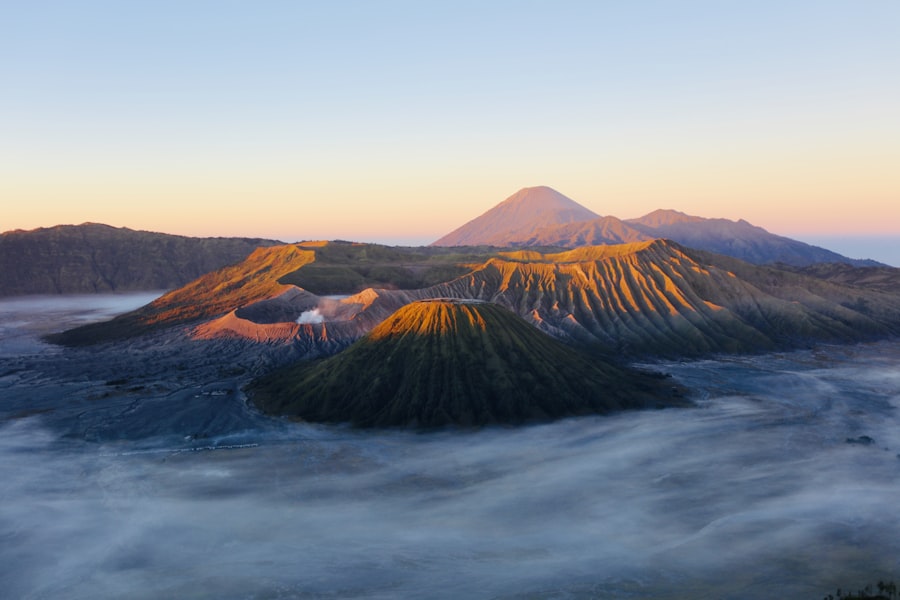
The Mount Bromo sunrise tour is the single most popular day trip from Surabaya — and for good reason. The sight of the active Bromo volcano smoking against a dawn sky, surrounded by the vast Sea of Sand, is one of the most spectacular natural spectacles in Southeast Asia.
Tours depart from Surabaya at midnight, reach the Penanjakan viewpoint in time for sunrise (~05:30), then descend into the caldera for a jeep ride and crater rim walk. Most tours include the nearby Madakaripura Waterfall — a 200-metre cascade in a sacred gorge — on the return journey.
Book in advance, especially July–August and during Indonesian holidays — good tours sell out weeks ahead. Klook offers a well-reviewed, full-day Bromo tour that departs from central Surabaya.
📋 Surabaya Practical Information
- Getting there: Juanda International Airport (SUB) is 20km south of the city — ~45 min by taxi or airport bus.
- Getting around: Grab and Gojek are the easiest options. The Suroboyo Bus is cheap and covers major tourist areas.
- Currency: Indonesian Rupiah (IDR). ATMs are widely available. Most tourist sites accept cash only.
- Language: Bahasa Indonesia is the national language; English is spoken at major hotels and tourist sites.
- Accommodation: Stay in the Darmo or Gubeng areas for easy access to the zoo, parks, and public transport.
- Safety: Surabaya is generally safe for tourists. Use official taxis or ride-hailing apps rather than unmarked vehicles.